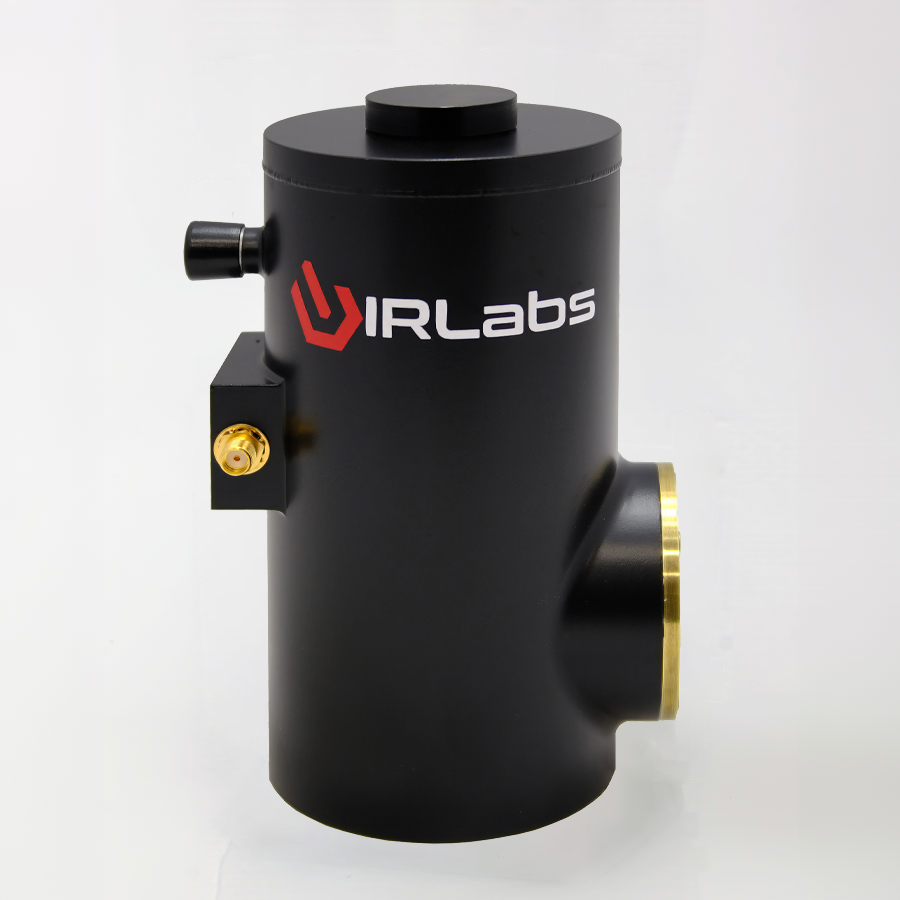
Selecting the right liquid nitrogen dewar can make the difference between smooth, efficient experiments and constant interruptions for refills, temperature fluctuations, or accessibility problems. A dewar that works well for one lab setup may create headaches in another, and rushing the selection process often leads to costly compromises. This guide walks through the practical factors...Read More
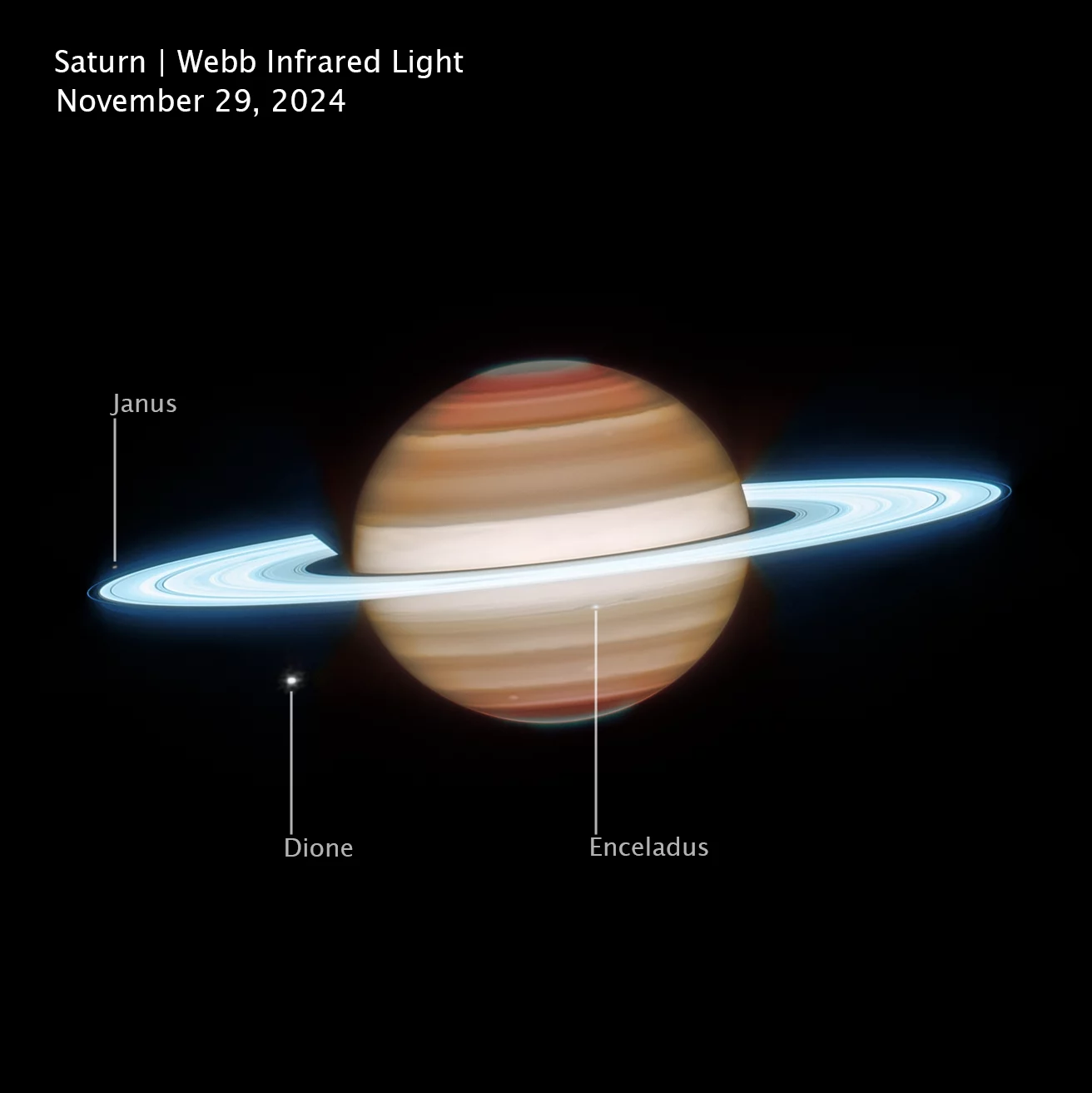
JWST reveals a critical shift in infrared detection: performance is no longer limited by sensors alone, but by thermal control, noise, and system-level integration.
IRLabs has donated advanced infrared emission microscopy technology to the University of Arizona, enabling detection of ultra-low signal semiconductor defects and helping prevent costly chip failures that can impact performance and yield.
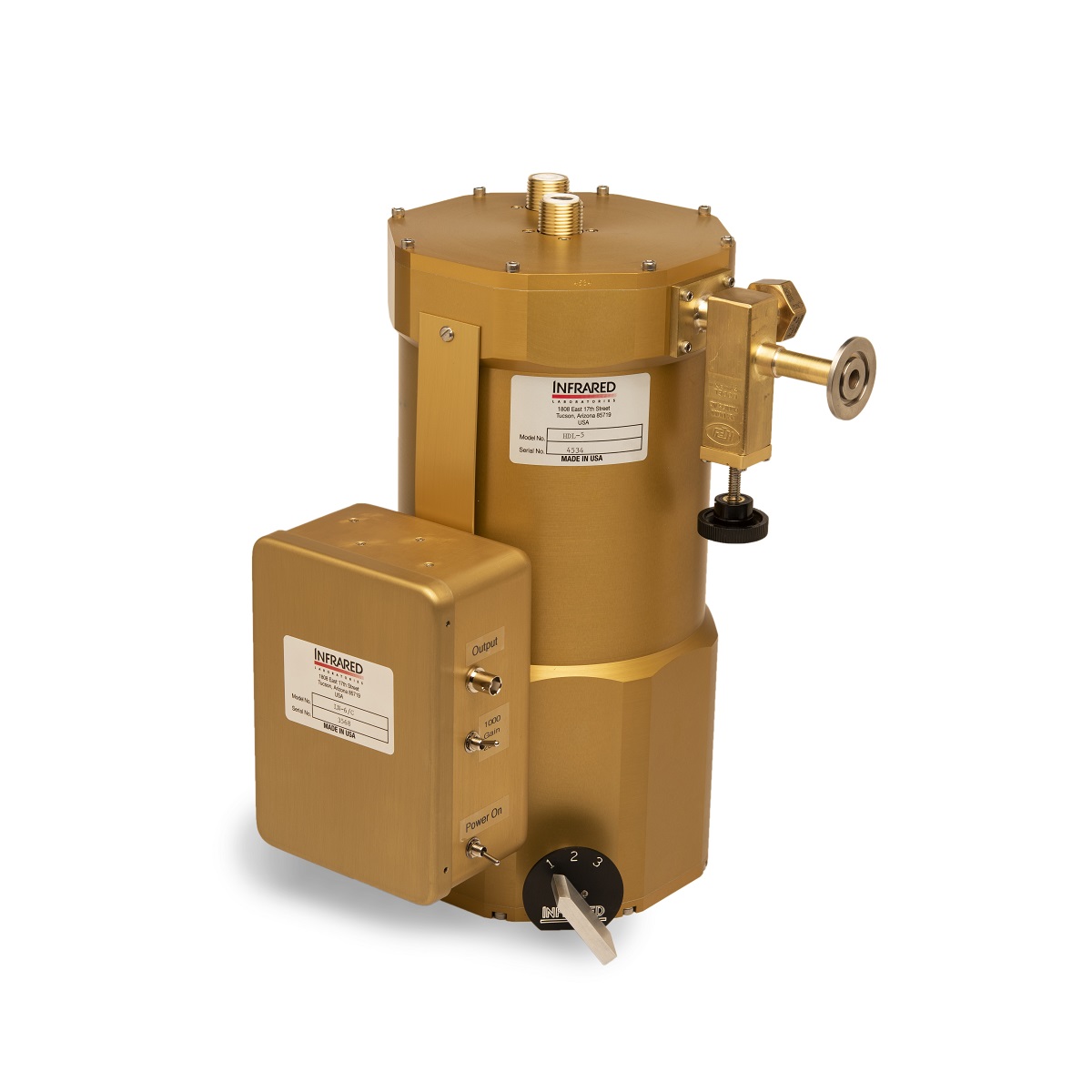
If you work with liquid nitrogen (LN2) in a research or laboratory setting, you know that proper storage is critical. Liquid nitrogen dewars are purpose-built containers that keep LN2 at its ultra-low temperature of -196°C (-320°F or 77K), making it possible to conduct experiments requiring cryogenic conditions. Over the years, we've fielded countless questions about...Read More
The bolometer market is experiencing unprecedented expansion as industries recognize the critical advantages of these highly sensitive thermal detectors. Originally developed for astronomy and fundamental physics research, bolometers have evolved into essential components across diverse commercial sectors. Market analysts project the global bolometer market will reach $2.7 billion by 2030, growing at a compound...Read More
IR detector array integration represents one of the most complex challenges in modern infrared detection technology. The integration of IR detector arrays involves multiple critical considerations: matching detector spectral response to application requirements, optimizing readout electronics for noise performance, designing appropriate cryogenic systems for temperature control, and ensuring reliable mechanical and electrical interfaces. At IRLabs, we specialize in the complete IR detector array integration process, from initial detector selection through final system characterization.
Cryogenic research and technology have transformed fields from space exploration to quantum computing. At the center of this progress lies a highly specialized technology: the cryocooler. These compact cryogen-free refrigeration systems reach temperatures below 120 Kelvin without the need for constant supplies of liquid cryogens. Understanding how cryocoolers work, the designs available, and where...Read More
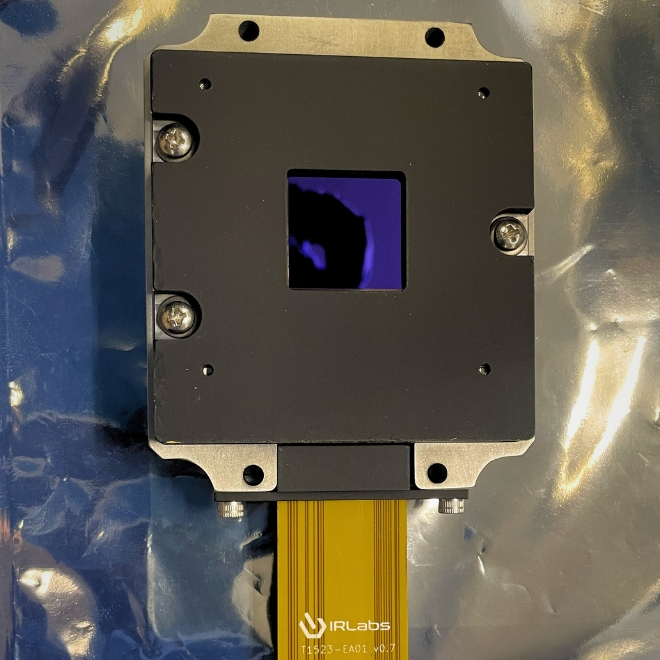
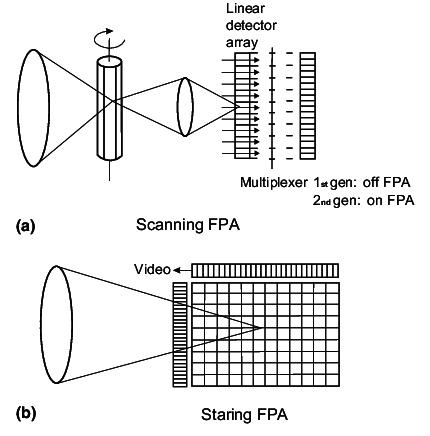
A focal plane array (FPA) is a two‑dimensional grid of photodetectors placed at the image plane of an optical system. FPAs are high-sensitivity image sensors that detect infrared radiation for diverse applications, from scientific research to astronomy, and can also support thermal imaging. For scientific labs and astronomy facilities, FPAs are critical for measuring temperature variations, mapping celestial infrared sources, and capturing high‑sensitivity imaging data.
Cryogenic cooling is at the heart of cutting-edge science — from quantum computing to infrared astronomy . Cryocoolers are the workhorses that deliver the ultra-low temperatures and cryostats are the insulated vessels that maintain those cryogenic temps.
Infrared (IR) sensors are at the heart of many modern technologies—from thermal imaging and night vision to industrial monitoring and scientific research. But what exactly are IR sensors, and how do they work? In this post, we’ll explore the science behind IR sensors, the different types available, and the wide range of applications they support.
BlogIRLabs Staff2025-05-30T10:28:24-07:00