Infrared (IR) sensors are at the heart of many modern technologies—from thermal imaging and night vision to industrial monitoring and scientific research. But what exactly are IR sensors, and how do they work? In this post, we’ll explore the science behind IR sensors, the different types available, and the wide range of applications they support. Whether you’re exploring sensor technology for a research lab, a defense application, or a new product development, understanding IR sensors is a crucial first step.
What Is an IR Sensor?
An IR sensor, or infrared sensor, is a device that detects infrared radiation (IR)—a form of electromagnetic radiation with wavelengths longer than visible light, typically ranging from 0.7 to 14 micrometers. All objects emit infrared radiation as a function of their temperature, and IR sensors allow us to capture and measure this energy.
Depending on the application, IR sensors can be used to detect motion, measure temperature, identify chemical compositions, or even visualize environments in complete darkness.
How Do IR Sensors Work?
IR sensors function by detecting variations in infrared radiation emitted by or reflected from objects. There are two broad types of IR sensors:
Active IR Sensors
Active sensors emit their own IR radiation and then measure the reflection or interruption of that radiation. These are often used for proximity sensing or object detection.
Passive IR Sensors (PIR)
Passive IR sensors, on the other hand, do not emit any radiation. Instead, they detect IR radiation naturally emitted by objects in their field of view. These sensors are commonly used in thermal imaging and environmental monitoring.
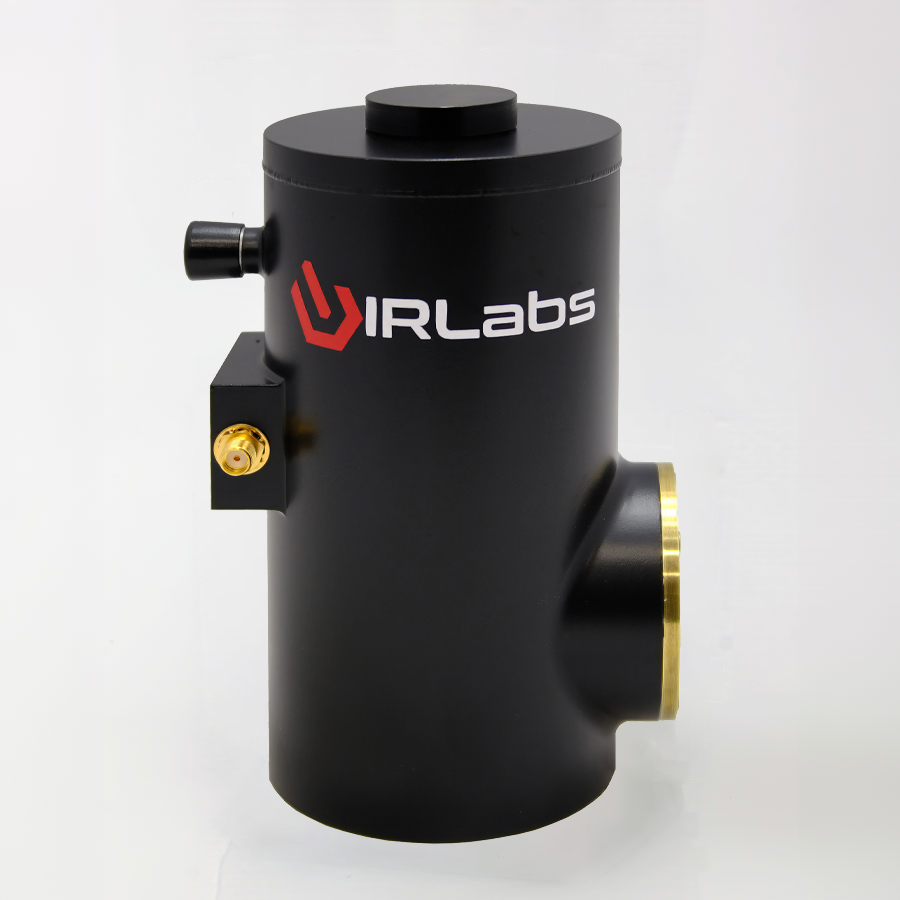
At the core of many passive sensors is a bolometer, a highly sensitive device that measures incident infrared radiation via temperature-induced changes in electrical resistance. You can explore various bolometer options offered by IRLabs for high-precision applications.
Key Components of IR Sensors
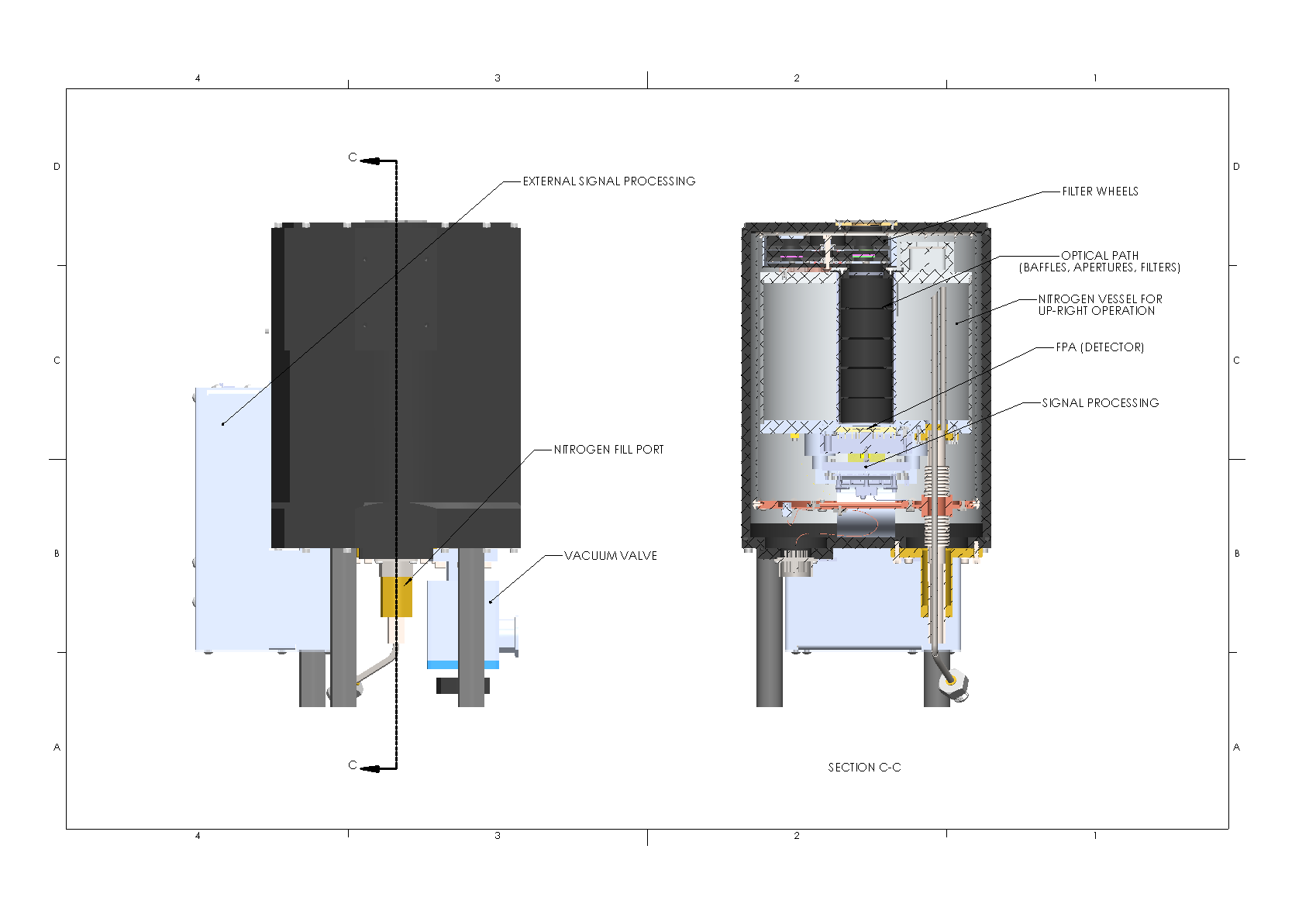
An infrared sensor system typically includes several components:
- Optical system: Focuses incoming IR radiation onto the detector surface.
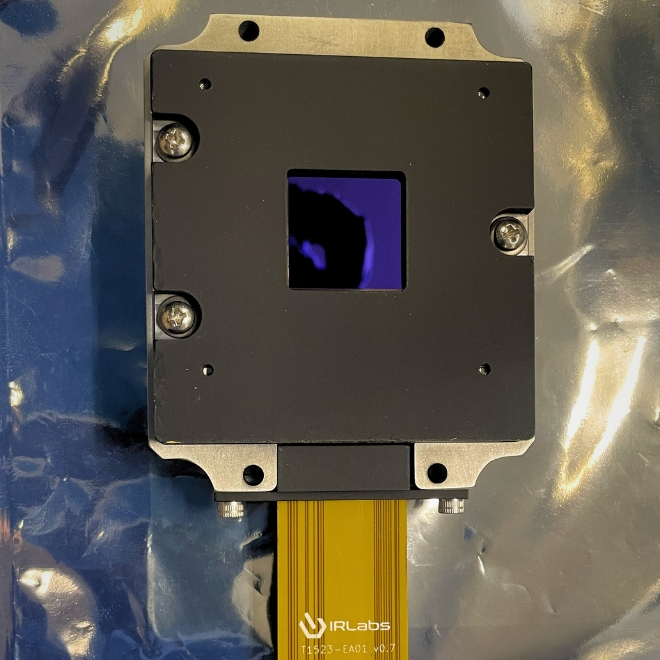
- Detector element: Converts infrared energy into an electrical signal.
- Signal processor: Amplifies and digitizes the signal for analysis or display.
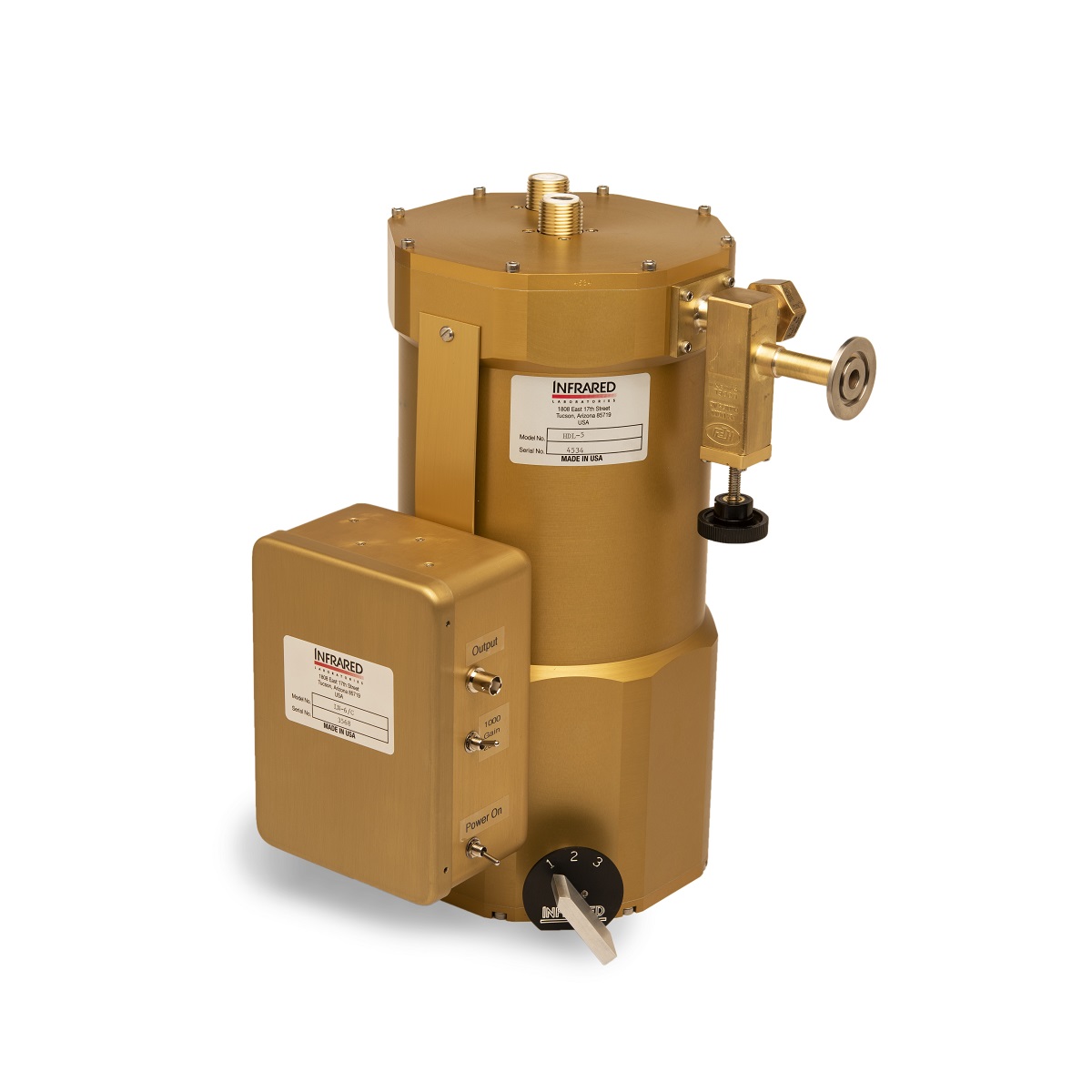
- Cooling system (for some types): Certain high-sensitivity detectors require cryogenic cooling to minimize noise.
In addition, high-performance IR sensor setups may require accessories like precision mounts, filters, and calibration tools to ensure optimal results across different operating environments.
IREM-IV, Photon Emission Microscope System
The IREM-IV is an example of an IR sensor system.
Types of IR Sensors
IR sensors come in a variety of detector types, depending on their purpose:
- Thermal detectors, such as thermopiles, pyroelectric sensors, and bolometers, sense changes in temperature.
- Photoconductors, like InSb or MCT sensors, rely on the photoelectric effect to detect IR radiation and often require cooling.
Each type comes with trade-offs in sensitivity, response time, and operational complexity. For ultra-sensitive measurements requiring precise detection, bolometers—particularly when operated at cryogenic temperatures—offer unparalleled sensitivity and exceptional signal-to-noise ratios.
Applications of IR Sensors
The versatility of IR sensors makes them indispensable in numerous fields:
Industrial Monitoring
IR sensors are widely used to monitor manufacturing processes, identify overheating machinery, and ensure quality control. In environments where surface characteristics affect emission, emissivity control coatings and processes are essential for maintaining measurement accuracy.
Defense and Security
Thermal imaging systems powered by IR sensors allow for night vision, perimeter security, and target detection even in low visibility environments.
Medical Imaging
In healthcare, IR sensors enable non-invasive imaging techniques that detect temperature variations in tissue—useful for early disease detection and vascular diagnostics.
Environmental and Climate Research
From monitoring volcanic activity to measuring polar ice temperature, IR sensors provide critical data for Earth scientists and climate researchers.
Astronomy and Space Exploration
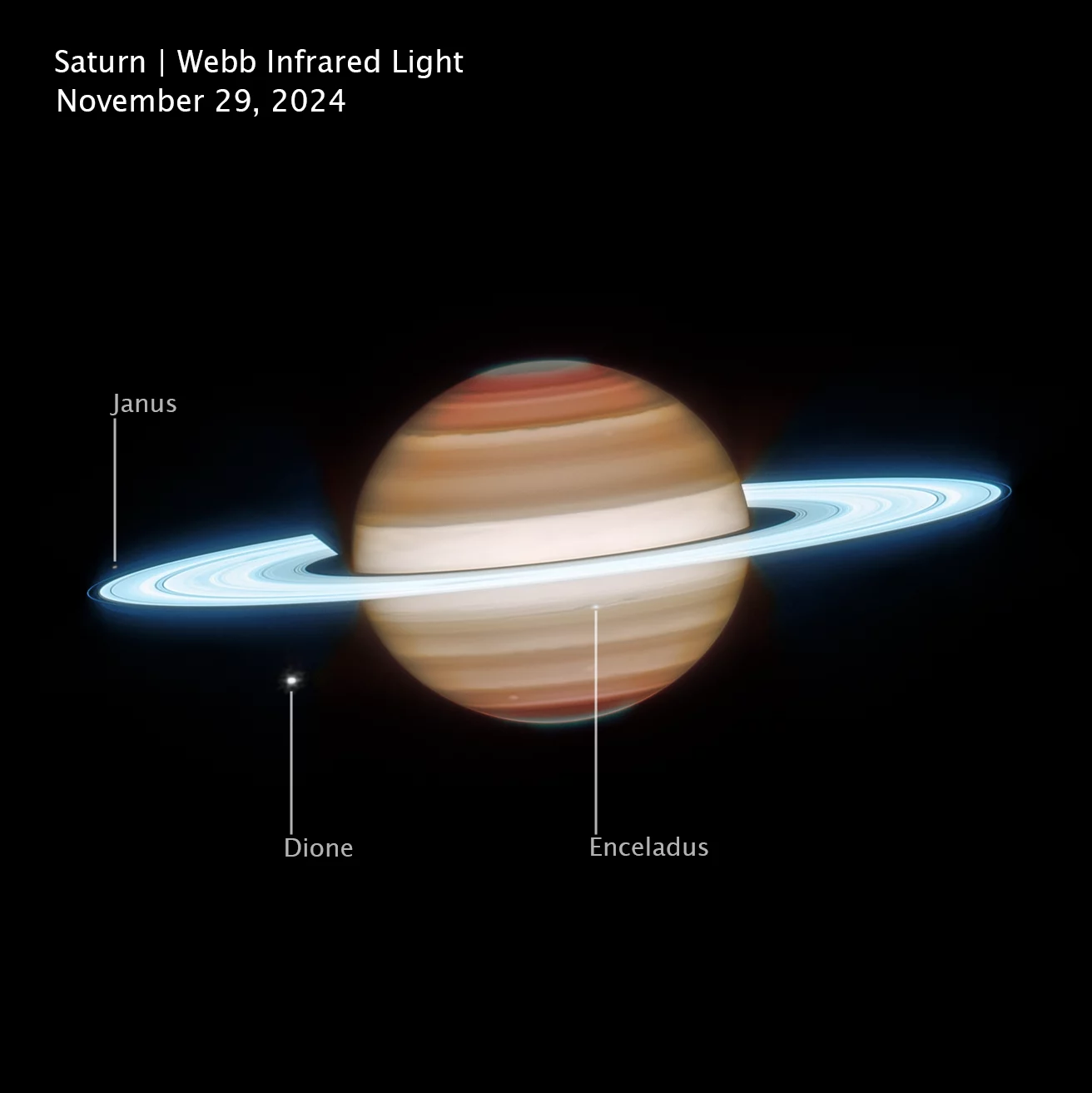
Advanced IR sensors are used to observe distant celestial bodies, detect cosmic infrared background radiation, and support space telescope systems.
How to Choose the Right IR Sensor for Your Application
Selecting the appropriate IR sensor involves evaluating several factors:
- Wavelength range: Different materials are sensitive to specific IR bands (short-wave, mid-wave, long-wave).
- Resolution and sensitivity: High-resolution sensors are critical for detailed imaging tasks.
- Operational conditions: Exposure to heat, cold, or vibration can affect sensor performance.
- Calibration and maintenance: Consider systems that allow for easy recalibration and durable use.
Working with a trusted provider like IRLabs ensures you have access to expertly engineered sensors, bolometers, and complementary tools to tailor your system to your exact needs.
Why IR Sensors are Essential Tools in Scientific Instrumentation
IR sensors are powerful tools that unlock a world of invisible information. From industrial process control to deep-space observation, these sensors convert infrared radiation into usable, actionable data. Understanding how IR sensors work—and the components and configurations that make them effective—can empower you to harness their full potential in your field.
To learn more about how IRLabs supports scientific and commercial advancements with advanced IR sensor technologies, visit our Bolometer Options, browse essential Accessories, or explore how we’re Controlling Emissivity Coatings and Surface Processes to ensure the highest levels of performance and accuracy.
Ready to begin your next project? Connect with the team at IRLabs to get started.