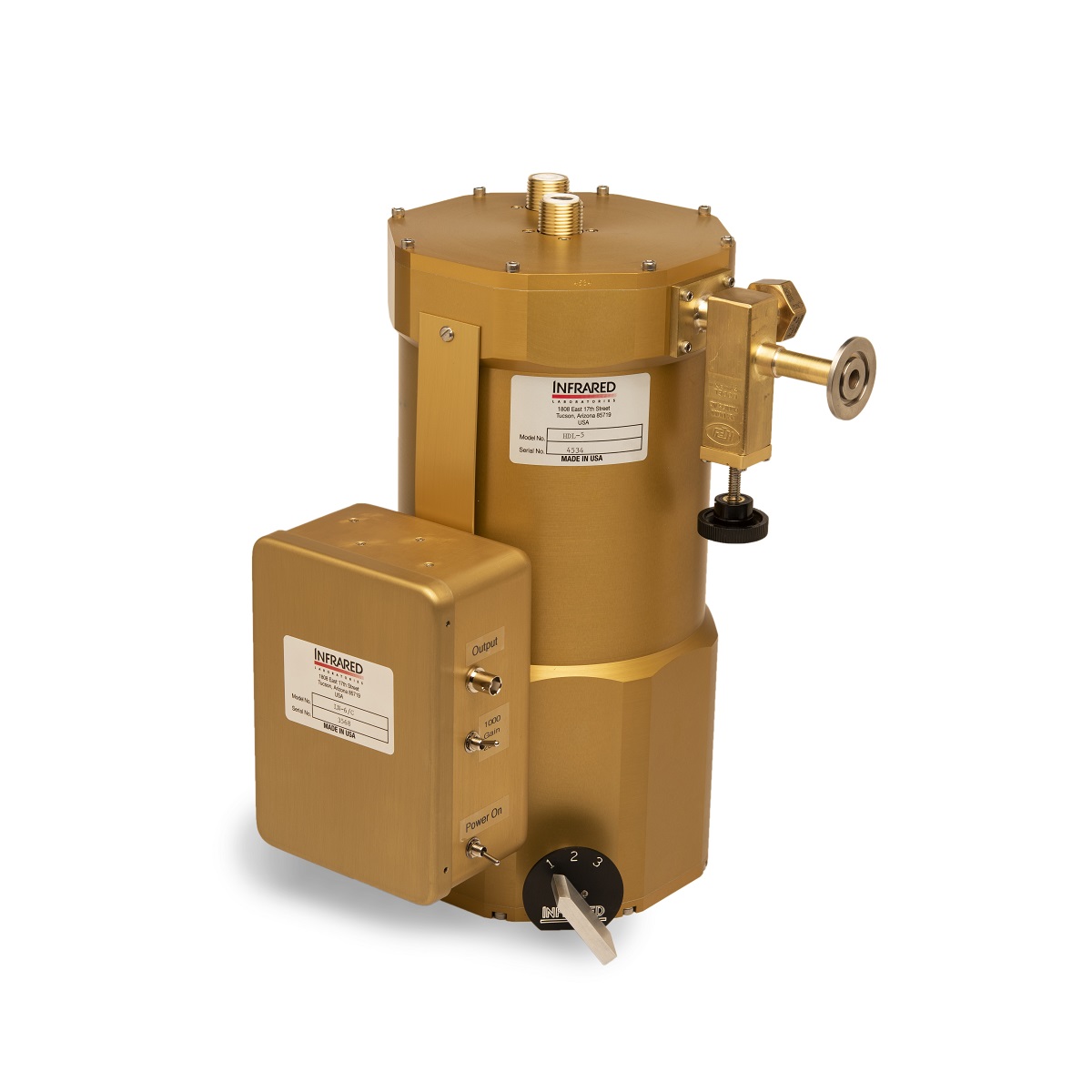
If you work with liquid nitrogen (LN2) in a research or laboratory setting, you know that proper storage is critical.
Liquid nitrogen dewars are purpose-built containers that keep LN2 at its ultra-low temperature of -196°C (-320°F or 77K), making it possible to conduct experiments requiring cryogenic conditions. Over the years, we’ve fielded countless questions about these specialized vessels. Here are the answers to some of the most common questions about LN2 dewars.
What Exactly Is a Liquid Nitrogen Dewar?
A liquid nitrogen dewar is a specialized vacuum-insulated container designed to store and maintain liquid nitrogen at cryogenic temperatures. Named after Scottish scientist Sir James Dewar, who invented the vacuum flask in 1892, these containers are engineered specifically to minimize heat transfer and reduce evaporation of the extremely cold liquid inside.
Unlike standard containers, dewars feature a double-wall construction with a high vacuum between the walls, typically achieving pressures of 10^-6 Torr or lower. This vacuum dramatically reduces heat transfer by eliminating gas molecules that would otherwise conduct thermal energy from the warmer environment to the cold liquid nitrogen inside.
How Do Dewars Keep Liquid Nitrogen Cold?
The secret to a dewar’s effectiveness lies in several engineering features working together:
High Vacuum Insulation: The space between the inner and outer walls is evacuated to create a near-perfect vacuum. With almost no gas molecules present, there’s virtually no medium through which heat can transfer via conduction or convection.
Material Selection: Quality dewars use carefully selected materials for their construction. At IRLabs, the materials we use include aerospace-grade 6061 aluminum, high-purity 101 copper, various stainless steels, and specialized low-conductivity materials. Each material is chosen for its strength, durability, and thermal properties.
Reflective Surfaces: Many dewars incorporate reflective coatings or materials that minimize radiative heat transfer, further reducing the amount of thermal energy that reaches the liquid nitrogen.
Narrow Neck Design: The narrow opening at the top of most dewars limits the surface area exposed to ambient air, reducing both heat transfer and the rate at which nitrogen evaporates.
What Causes a Dewar to Lose Its Vacuum?
Vacuum loss is one of the most common failures in cryogenic storage containers. Several factors can compromise the vacuum integrity:
Physical Damage: Dropping or roughly handling a dewar can crack the inner wall or damage the vacuum seal. Even minor damage to the neck area can allow air to enter the vacuum space.
Seal Deterioration: Over time, the seals that maintain the vacuum can degrade, especially if the dewar experiences repeated thermal cycling or isn’t properly maintained.
Manufacturing Defects: Occasionally, lower end, mass-produced dewars may have a microscopic leak from the manufacturing process that slowly allows the vacuum to deteriorate over months or years.
Signs of vacuum loss include excessive frost or condensation on the outer shell, unusually rapid evaporation of liquid nitrogen, and sometimes a hissing sound. If you notice these symptoms, transfer your samples to another container immediately and have the dewar inspected by a qualified technician.
What Safety Precautions Should I Follow?
Working with liquid nitrogen requires strict adherence to safety protocols. LN2 poses several hazards that every laboratory worker must understand:
Asphyxiation Risk: When liquid nitrogen evaporates, it displaces oxygen in the surrounding air. In confined spaces or poorly ventilated areas, this can create an oxygen-deficient atmosphere that can cause unconsciousness or death without warning. Always use dewars in well-ventilated spaces, and consider installing oxygen depletion monitors in areas where large volumes of LN2 are stored or used.
Cryogenic Burns: Contact with liquid nitrogen or surfaces cooled by it can cause severe frostbite within seconds. Always wear appropriate personal protective equipment (PPE):
- Insulated cryogenic gloves (never use regular work gloves)
- Safety goggles or face shield
- Lab coat (buttoned up, never open)
- Long pants (no shorts)
- Closed-toe shoes that cover the top of your feet
Pressure Buildup: Never seal a dewar with an airtight lid. As nitrogen evaporates, it expands by a ratio of approximately 700:1, creating enormous pressure if trapped in a sealed container. This can lead to violent explosions. Always use loose-fitting caps or pressure relief devices.
How Do I Fill a Dewar Safely?
Filling a dewar properly minimizes splashing and ensures safe operation:
- Pre-cool gradually: When filling a warm dewar, introduce liquid nitrogen slowly to allow the container to cool down. Rapid cooling can cause excessive boil-off and potential splashing.
- Position the fill hose correctly: Place the filling hose at or below the mouth of the receiving vessel to prevent splashing.
- Maintain a secure grip: Hold the filling hose firmly, as it may move unpredictably when flow begins.
- Fill slowly: Open the source valve gradually to control the flow rate.
- Don’t overfill: Leave adequate headspace to allow for thermal expansion and to make it easier to replace the lid.
- Wear full PPE: This includes cryogenic gloves, face protection, a buttoned lab coat, and closed-toe shoes.
- Never use damaged equipment: If hoses, valves, or the dewar itself show signs of damage, don’t use them.
What Maintenance Do Dewars Require?
Regular maintenance extends the life of your dewar and ensures safe operation:
Visual Inspection: Before each use, check for physical damage, cracks, dents, or excessive frost formation on the outer surface.
Vacuum Testing: For critical applications, consider testing the vacuum quality annually. Excessive boil-off rates indicate vacuum degradation.
Neck and Seal Inspection: Check the neck area for damage and inspect seals for deterioration. The neck is vulnerable to damage during sample insertion and removal.
Pressure Relief Devices: Verify that pressure relief valves and venting mechanisms are functioning properly.
Cleaning: Periodically clean the exterior and neck area, but never introduce water or cleaning solutions into the interior, as moisture can freeze and block vents or damage the vacuum.
Professional Inspection: Large dewars (25 liters or larger) should undergo annual maintenance checks by qualified personnel.
How Much Does a Liquid Nitrogen Dewar Cost?
Dewar pricing varies considerably based on several factors:
Size and Capacity: Smaller laboratory dewars (1-5 liters) are more affordable than large storage vessels (50-175 liters).
Temperature Requirements: Dewars designed for ultra-low temperatures, such as liquid helium (4K), require more sophisticated insulation and materials, increasing their cost.
Customization: Custom features like specialized electrical feedthroughs, cryogenic motion control, integrated optics, or automated monitoring systems add to the price.
Quality and Manufacturer: Higher-quality dewars with superior vacuum performance and longer hold times typically command premium prices but offer better long-term value through reduced LN2 consumption.
At IRLabs, we offer a range of dewars designed to fit different research needs and budgets. Contact us directly for a quote tailored to your specific requirements.
What Should I Look for When Selecting a Dewar?
Choosing the right dewar depends on your application:
Capacity: Calculate your daily or weekly LN2 consumption and select a size that minimizes refilling frequency while fitting your available space.
Hold Time: Look for dewars with static holdover times that match your workflow. If you can’t refill frequently, prioritize models with superior vacuum insulation.
Portability: Consider whether you need a portable unit with handles or a stationary storage vessel.
Build Quality: Check the materials used, warranty coverage, and the manufacturer’s reputation for reliability.
Why Choose IRLabs for Your Cryogenic Needs?
Since 1967, IRLabs has been at the forefront of infrared detection and cryogenic systems. We’ve designed, manufactured, and integrated more than for clients worldwide, spanning applications from astronomical research to semiconductor manufacturing.
Our team brings decades of experience in application knowledge and technical expertise. Whether you need a standard liquid nitrogen dewar or a custom-built cryogenic system with specialized features, we work directly with you to deliver a solution that meets your exact needs.
For more information about our liquid nitrogen dewars, cryostats, and custom cryogenic systems, contact our team today.
Ready to begin your next project? Connect with the team at IRLabs to get started.