The bolometer market is experiencing unprecedented expansion as industries recognize the critical advantages of these highly sensitive thermal detectors. Originally developed for astronomy and fundamental physics research, bolometers have evolved into essential components across diverse commercial sectors. Market analysts project the global bolometer market will reach $2.7 billion by 2030, growing at a compound annual growth rate exceeding 8% from current valuations. This growth trajectory reflects both technological maturation and expanding application domains where bolometers provide unique detection capabilities that alternative sensor technologies cannot match.
Understanding Bolometer Technology and Market Positioning
A bolometer operates by measuring incident electromagnetic radiation through the temperature-dependent resistance change in an absorptive element. Unlike photon detectors that require specific bandgap energies, bolometers respond to radiation across an extremely broad spectral range—from terahertz frequencies through the infrared spectrum—making them uniquely versatile for applications requiring wavelength-agnostic detection or operation in spectral regions where photon detectors are impractical or unavailable.
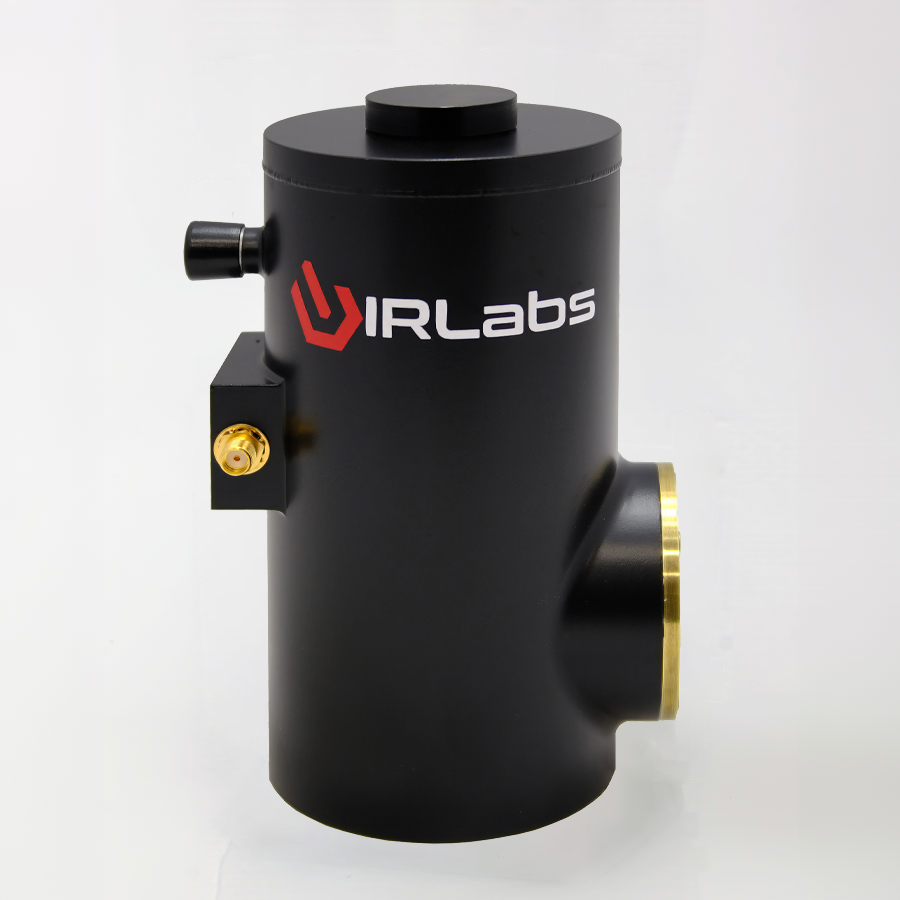
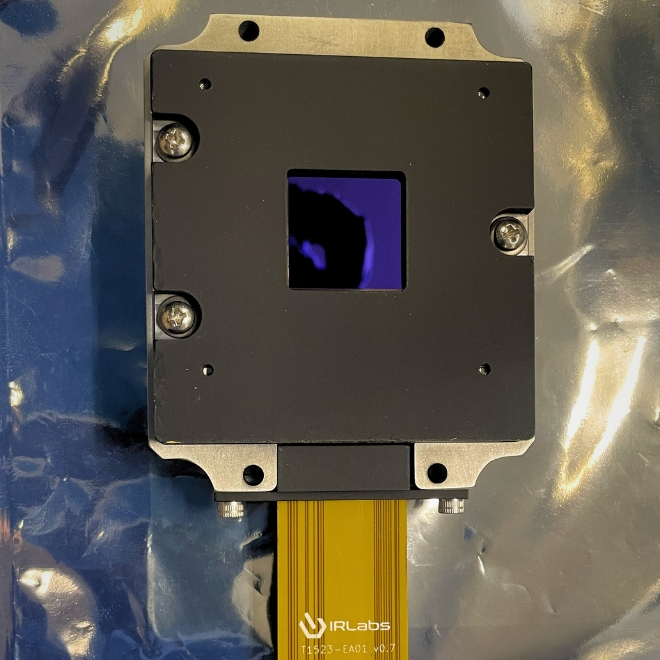
Modern bolometer technology encompasses several distinct architectures, each optimized for specific performance requirements. Microbolometer arrays, fabricated using semiconductor manufacturing techniques, dominate commercial thermal imaging applications due to their room-temperature operation and compatibility with standard electronics packaging. At the opposite extreme, cryogenic bolometers cooled to 4 Kelvin or lower using specialized cryogenic systems deliver unmatched sensitivity for astronomical observations and fundamental physics experiments. Between these extremes lie thermoelectrically cooled bolometers offering enhanced sensitivity without cryogenic complexity, and transition-edge sensor (TES) bolometers operating at intermediate cryogenic temperatures for applications demanding both high sensitivity and rapid response times.
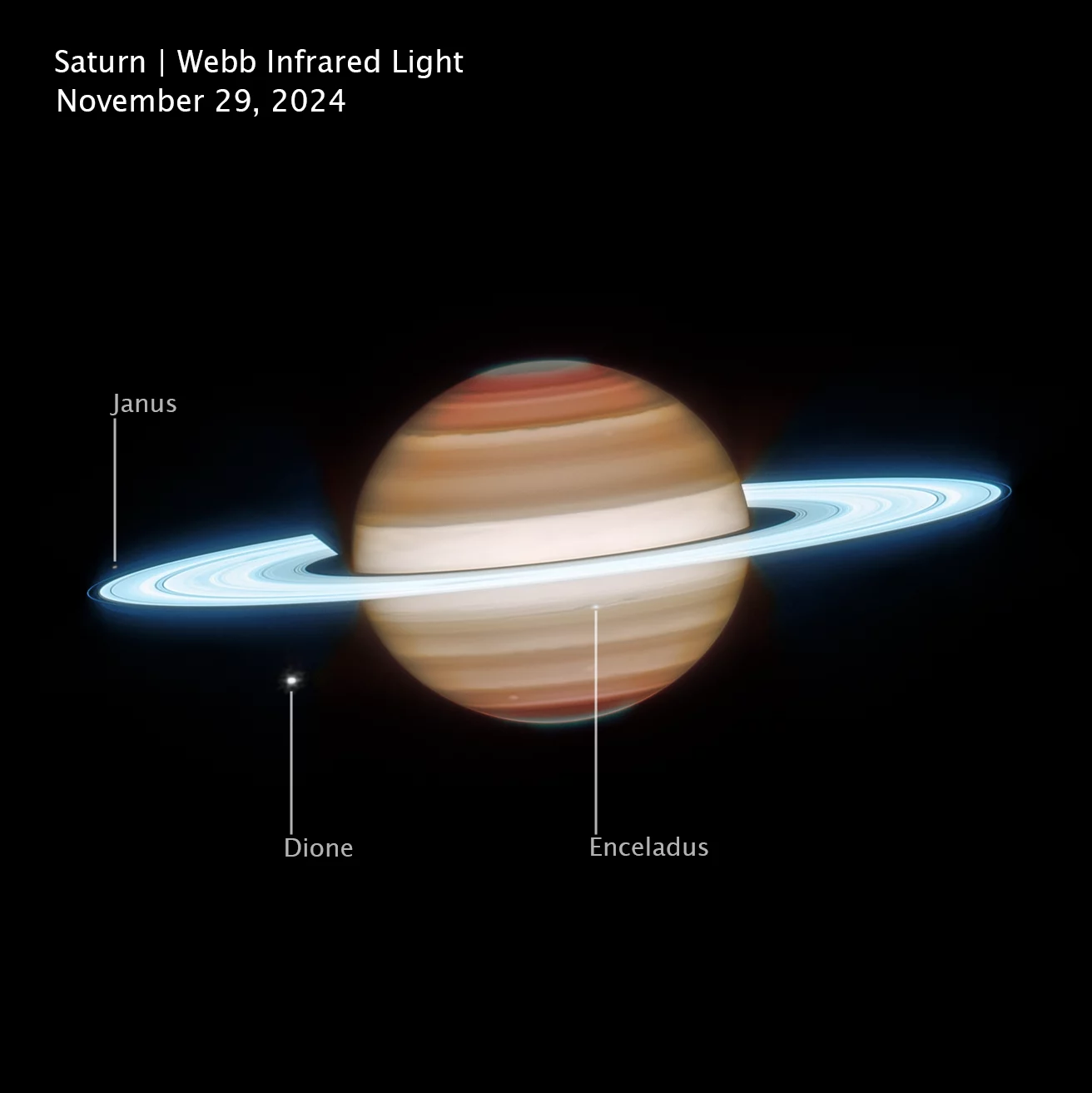
Space-based astronomy represents another high-value aerospace sector experiencing bolometer adoption. Projects targeting the cosmic microwave background, galaxy formation studies, and exoplanet atmospheric characterization require the extraordinary sensitivity that only cryogenic bolometers can provide. The forthcoming generation of space telescopes will carry increasingly sophisticated bolometer arrays cooled to sub-Kelvin temperatures, enabling observations impossible with any alternative detector technology. This demanding application drives continued innovation in bolometer sensitivity, array formats, and integration with advanced cryogenic cooling systems.
Aerospace and Defense: The Traditional Stronghold Expands
Aerospace and defense applications have historically driven bolometer development and continue to represent the largest market segment. Thermal imaging systems based on uncooled microbolometer arrays have become standard equipment for military surveillance, reconnaissance, and targeting systems. These bolometer-based infrared cameras operate without cryogenic cooling, reducing size, weight, power consumption, and lifecycle costs compared to legacy cooled infrared detector technologies—critical advantages for airborne and space-based platforms where these parameters directly impact mission capability.
Recent aerospace growth extends beyond traditional military applications. Commercial aviation increasingly adopts enhanced vision systems (EVS) incorporating bolometer-based infrared sensors to improve pilot situational awareness during low-visibility operations. These systems detect thermal contrasts from runways, terrain, and other aircraft that remain imperceptible to visible-light cameras, significantly enhancing flight safety during approach and landing operations in fog, rain, or darkness.
Automotive Integration: From Luxury Option to Safety Standard
The automotive sector represents the fastest-growing bolometer application domain, transforming from a nascent market to a major driver of bolometer production volume. Advanced Driver Assistance Systems (ADAS) increasingly incorporate thermal imaging cameras as complementary sensors to visible-light cameras, radar, and LiDAR. Bolometer-based thermal cameras excel at detecting pedestrians, animals, and vehicles in challenging conditions where other sensors struggle—including complete darkness, fog, smoke, and situations with problematic backlighting or glare.
European luxury manufacturers pioneered automotive thermal imaging over a decade ago, but the technology is now migrating rapidly to mainstream vehicles as autonomous driving development intensifies. Sensor fusion architectures for Level 3 and higher autonomous vehicles benefit significantly from thermal imaging’s unique capabilities. Unlike visible cameras that fail in darkness or adverse weather, and radar or LiDAR that provide limited classification information, bolometer-based thermal imaging delivers high-resolution imagery in all lighting conditions with excellent pedestrian detection performance—the most challenging object classification task for autonomous systems.
Economic factors strongly favor automotive bolometer adoption. Manufacturing costs for uncooled microbolometer arrays have declined by approximately 60% over the past decade through high-volume production, standardized packaging, and improved fabrication yields. Current automotive-grade bolometer cameras cost less than $500 in volume production, approaching price points where thermal imaging becomes viable for mid-range vehicles, not just luxury models. As regulatory bodies worldwide consider mandating pedestrian detection systems, the automotive bolometer market could experience explosive growth, with some analysts projecting automotive applications to surpass defense spending by 2028.
Medical Imaging and Diagnostics: Emerging High-Value Applications
Medical applications represent an emerging but high-potential bolometer market segment. Non-contact fever screening systems gained prominence during recent public health emergencies, demonstrating medical thermal imaging’s practical utility for rapid, non-invasive assessment. Beyond fever detection, bolometer-based thermal imaging assists in diagnosing circulatory disorders, monitoring inflammation, detecting early-stage breast cancer through thermography, and assessing burn severity—applications where tissue temperature variations provide clinically relevant information.
Terahertz imaging represents a particularly promising medical frontier for bolometer technology. Terahertz radiation penetrates several millimeters into biological tissue while remaining non-ionizing, unlike X-rays. Terahertz spectroscopy and imaging can differentiate tissue types, identify cancerous margins during surgery, and characterize pharmaceutical products—but requires extremely sensitive detectors operating at wavelengths where few alternatives exist. Bolometers cooled to cryogenic temperatures provide the sensitivity necessary for real-time terahertz medical imaging, an application that could substantially expand as clinical validation progresses and compact cryogenic cooling systems become more accessible for medical environments.
Economic Drivers and Competitive Landscape
Several economic and technological factors converge to accelerate bolometer market growth. Manufacturing scale economies continue reducing per-unit costs, particularly for uncooled microbolometer arrays where semiconductor fab utilization approaches consumer electronics volumes. Simultaneously, performance improvements—higher resolution arrays, improved thermal sensitivity, and faster frame rates—expand the addressable application space without proportional cost increases.
The competitive landscape encompasses diverse players ranging from established defense contractors to specialized detector manufacturers and semiconductor companies entering thermal imaging markets. Major manufacturers including FLIR Systems (now part of Teledyne), Lynred (formerly Sofradir), and BAE Systems dominate military and commercial microbolometer production. Research institutions and specialized companies like IRLabs serve the high-performance cryogenic bolometer segment, providing custom detector solutions for scientific research, astronomy, and advanced sensing applications requiring ultimate sensitivity.
Supply chain considerations increasingly influence bolometer market dynamics. Unlike many detector technologies dependent on scarce materials, bolometers utilize abundant elements and well-established manufacturing processes. This supply chain resilience, combined with manufacturing primarily located in developed economies, provides competitive advantages as industries prioritize supply security alongside technical performance.
Market Outlook and Strategic Opportunities
The bolometer market outlook remains exceptionally positive across multiple sectors. Automotive applications will likely drive the largest absolute volume growth, while aerospace and defense spending provides stable revenue for high-performance systems. Medical applications, though currently smaller, offer significant long-term potential as clinical evidence accumulates and regulatory approvals expand.
Strategic opportunities exist throughout the value chain. Component suppliers providing specialized materials, cryogenic cooling systems, and read-out integrated circuits will benefit from overall market expansion. System integrators who effectively combine bolometer arrays with complementary sensors, image processing, and AI-driven analytics will capture value in end-user applications. Research organizations and universities focusing on next-generation bolometer architectures—including superconducting devices, graphene-based detectors, and novel nanomaterials—position themselves at the frontier of detector physics with potential breakthrough applications.
For organizations evaluating bolometer integration, the technology has reached maturity across multiple performance tiers. Whether the application demands room-temperature microbolometer arrays for cost-effective thermal imaging or ultra-sensitive cryogenic bolometers for cutting-edge research, proven solutions exist with established supply chains, comprehensive technical support, and clear performance-cost trade-offs. The convergence of declining costs, improving performance, and expanding applications ensures bolometer technology will remain central to sensing systems across industries for decades to come.
Ready to begin your next project? Connect with the team at IRLabs to get started.