Liquid nitrogen dewars are indispensable tools in laboratories and research facilities worldwide, providing the essential cryogenic platform needed for a myriad of scientific applications. These specialized containers enable the safe handling and preservation of materials at extremely low temperatures, facilitating advancements in fields ranging from biology to aerospace engineering.
Understanding Liquid Nitrogen Dewars
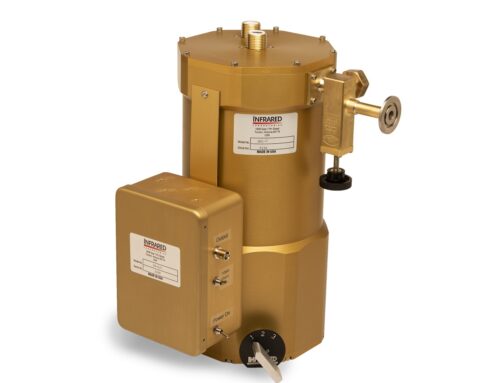
A liquid nitrogen dewar is a type of cryogenic storage vessel designed to hold and dispense liquid nitrogen (LN₂) at temperatures around -196°C (-321°F). Named after the Scottish scientist James Dewar, who invented the vacuum flask, these containers utilize vacuum insulation to minimize heat transfer, thereby reducing the evaporation rate of the stored cryogenic liquid. Dewars come in various sizes and configurations, from small portable units to large stationary tanks, each tailored to specific laboratory needs.
Applications in Scientific Research
In research settings, liquid nitrogen dewars serve multiple critical functions:
- Cooling Detectors and Sensors: Certain scientific instruments, including infrared detectors and superconducting devices, require extremely low temperatures to function optimally. Liquid nitrogen dewars provide the necessary cooling to enhance the sensitivity and performance of these instruments.
- Cryopreservation: Biological samples such as cells, tissues, and reproductive materials are stored in liquid nitrogen to maintain their viability over extended periods. This is crucial for studies in genetics, medicine, and biodiversity conservation.
- Cryogenic Grinding: Materials that are soft or heat-sensitive can be embrittled using liquid nitrogen, facilitating their pulverization into fine powders for analytical purposes. This technique is widely used in pharmaceutical research and materials science.

IRLabs: Innovators in Cryogenic Solutions
IRLabs has been at the forefront of designing and manufacturing advanced cryogenic systems, including custom liquid nitrogen dewars, to meet the diverse needs of the scientific community. Their expertise spans several decades, during which they have contributed to numerous high-profile research projects.
Custom Dewar Design for SHARK-NIR
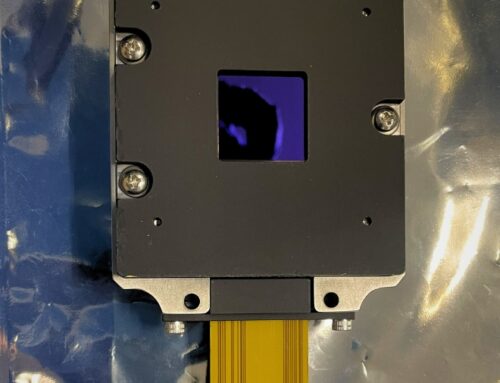
A notable example of IRLabs’ innovation is our collaboration on the SHARK-NIR project. Working closely with INAF-Padova and Steward Observatory, IRLabs engineered a customized dewar tailored to the unique requirements of the SHARK-NIR instrument. This dewar was designed to maintain the stringent thermal conditions necessary for near-infrared observations, demonstrating IRLabs’ capability to deliver specialized cryogenic solutions for astronomical research
Modular Cryogenic Systems for Device Testing
IRLabs has also developed modular cryogenic systems for radiation-hardened device testing. These systems incorporate the Rigel dewar, which is evacuated and filled with liquid nitrogen to create the required cryogenic environment. The use of liquid nitrogen in this context ensures consistent and reliable testing conditions for evaluating the performance of devices under extreme temperatures.
Bolometer Systems
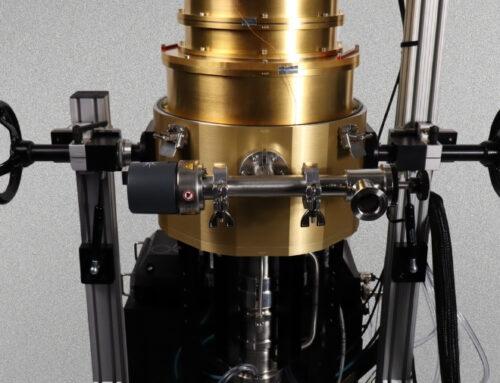
In the realm of infrared detection, IRLabs’ bolometer systems are exemplary. These systems utilize liquid helium-cooled dewars with a liquid nitrogen-cooled radiation shield to achieve the ultra-low temperatures necessary for detecting infrared radiation. The integration of liquid nitrogen shields enhances the thermal efficiency and extends the hold times of these cryogenic systems, which is vital for prolonged observational campaigns.

Design Features and Considerations
The effectiveness of a liquid nitrogen dewar hinges on several key design features:
- Vacuum Insulation: By creating a vacuum between the inner and outer walls of the dewar, heat transfer is significantly reduced, minimizing the evaporation of liquid nitrogen.
- Durable Materials: Dewars are typically constructed from high-strength materials such as stainless steel or aluminum to withstand the rigors of cryogenic temperatures and handling.
- Safety Mechanisms: Incorporation of pressure relief valves and venting systems ensures that any buildup of gas from evaporating liquid nitrogen is safely released, preventing pressure-related hazards.
- Ergonomic Design: Features such as handles, wheels, and pour spouts facilitate the safe and efficient use of the system within the laboratory environment.
Safety Protocols in Handling Liquid Nitrogen Dewars
While liquid nitrogen is invaluable in research applications, it poses specific safety risks that must be meticulously managed:
- Personal Protective Equipment (PPE): Laboratory personnel should wear appropriate PPE, including cryogenic gloves, face shields, and lab coats, to protect against cold burns and frostbite.
- Proper Ventilation: Areas where liquid nitrogen is used should be well-ventilated to prevent the accumulation of nitrogen gas, which can displace oxygen and create asphyxiation hazards.
- Training and Procedures: Only trained individuals should handle liquid nitrogen dewars, adhering to established protocols for filling, transporting, and dispensing to mitigate risks effectively.
- Regular Maintenance: Dewars should be routinely inspected for signs of wear or damage, and pressure relief valves should be tested to ensure they function correctly.
Liquid nitrogen dewars are foundational to numerous scientific endeavors, providing the cryogenic environments essential for preservation, experimentation, and technological advancement. IRLabs exemplifies the critical role of specialized engineering in developing dewar systems that meet the exacting demands of modern research. By combining innovative design with rigorous safety standards, these cryogenic solutions continue to empower scientists and researchers in their quest for discovery and innovation.