Cryocooler Technology Guide: Principles, Applications, and Innovation
Cryocoolers represent a cornerstone of modern cooling technology, enabling countless applications that require cryogenic temperatures. Unlike traditional cooling methods, these mechanical devices can achieve extremely low temperatures without the need for liquid cryogens, making them invaluable across various industries and scientific fields.
How Cryocoolers Work: Technology and Scientific Use
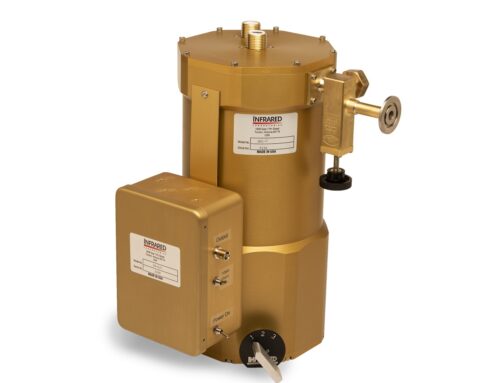
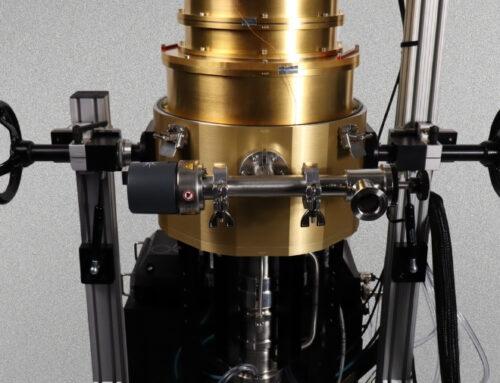
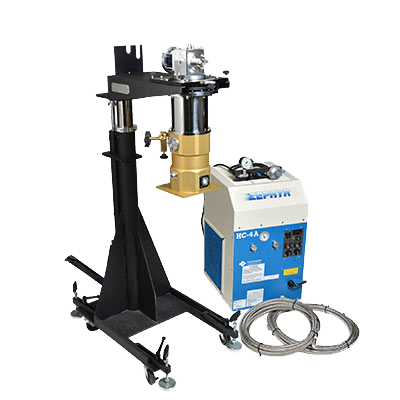
At its core, a cryocooler is a mechanical refrigeration system designed to reach cryogenic temperatures, typically below -150°C (123K). The technology comes in several varieties, with the pulse tube cryocooler being one of the most significant innovations in recent decades. Unlike traditional systems, pulse tube cryocoolers feature fewer moving parts, resulting in enhanced reliability and reduced maintenance requirements. The cold head, an essential component in any cryocooler, is where the actual cooling occurs.
Cryocoolers represent a cornerstone of modern cooling technology, enabling countless applications that require cryogenic temperatures. Unlike traditional cooling methods, these mechanical devices can achieve extremely low temperatures without the need for liquid cryogens, making them invaluable across various industries and scientific fields.
Cryocooler Use Cases
Medical Field
The medical industry heavily relies on cryocooler technology, particularly in magnetic resonance imaging (MRI) systems. These machines utilize superconducting magnets that require consistent cooling to maintain their superconducting properties. The reliability of modern cryocoolers has revolutionized medical imaging by eliminating the need for frequent liquid helium refills.
Scientific Research
In scientific research, cryocoolers are indispensable for various applications, from particle physics to space observation. They enable the operation of sensitive detectors and instruments that require extremely low temperatures to function effectively. The development of more efficient pulse tube cryocoolers has particularly benefited space-based applications, where reliability and minimal vibration are crucial.
Industrial Applications
The semiconductor industry depends on cryocooler technology for various manufacturing processes. These systems are essential for maintaining the precise temperatures needed for chip production and testing. Additionally, industrial gas separation and liquefaction processes rely heavily on cryogenic cooling systems.
Future Trends in Crycooler Design and Emerging Technologies
Quantum Computing
One of the most exciting applications of cryocooler technology is in quantum computing. These systems require extremely stable and low temperatures to maintain quantum states. Modern cryocoolers provide the necessary cooling while minimizing vibration and electromagnetic interference.
Space Exploration
Space applications continue to drive innovation in cryocooler design. The need for lightweight, efficient, and reliable cooling systems for satellite instruments and deep space missions has led to significant advances in pulse tube technology and other cryocooler variants.
Challenges and Future Developments
While cryocooler technology has made remarkable progress, several challenges remain. Engineers continue to work on:
- Improving energy efficiency
- Reducing system size and weight
- Enhancing cooling capacity
- Minimizing vibration from moving parts
- Extending operational lifetimes
The future of cryocooler technology looks promising, with ongoing developments in:
- Advanced materials for better thermal efficiency
- Smart control systems for optimal performance
- Hybrid cooling solutions
- More compact designs for portable applications
How to Choose the Right Cryocooler System
Selecting the appropriate cryocooler requires careful consideration of several factors:
- Required temperature range
- Cooling capacity needs
- Space constraints
- Power consumption limits
- Maintenance requirements
- Budget considerations
Cryocooler technology continues to evolve, enabling new applications across various fields. From medical imaging to quantum computing, these cooling systems play a crucial role in advancing technology and scientific research. As demands for more efficient and reliable cooling solutions grow, we can expect continued innovation in cryocooler design and functionality.
The combination of reduced moving parts in modern designs, particularly in pulse tube cryocoolers, along with improved reliability and performance, makes these systems more attractive than ever for applications requiring cryogenic temperatures. As we look to the future, cryocooler technology will undoubtedly continue to play a vital role in pushing the boundaries of what’s possible in science and industry.