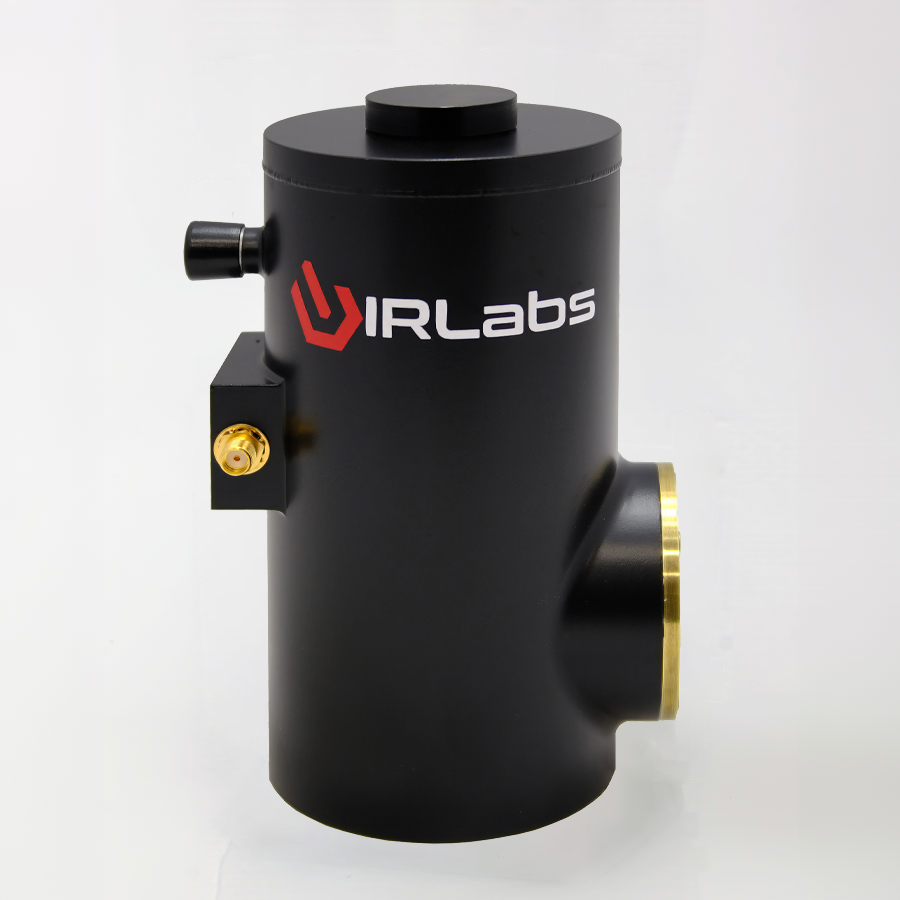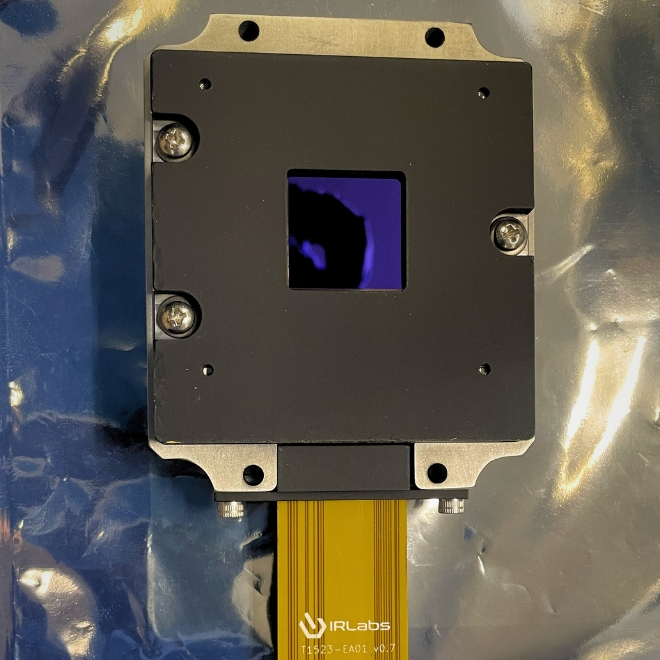
In cryogen systems, dewars are the containers that hold liquid cryogens at extremely cold temperatures. At a basic level, they work like garden variety thermos bottles; the liquid nitrogen or other cryogen is stored in an inner container with a space between it and the outside wall. The central container, thus insulated in a vacuum, is able to maintain the liquid’s temperature for long periods of time.
The original design, invented by James Dewar in 1892, when research on liquid cryogens was still in its infancy, was the standard for many decades. His double-walled container had a reflective silver exterior, which helped further retain low-temperatures.
The nitrogen dewars used in modern cryogen labs are based off of Dewar’s original design (as are the thermos bottles we use to keep ice water cold or coffee hot).
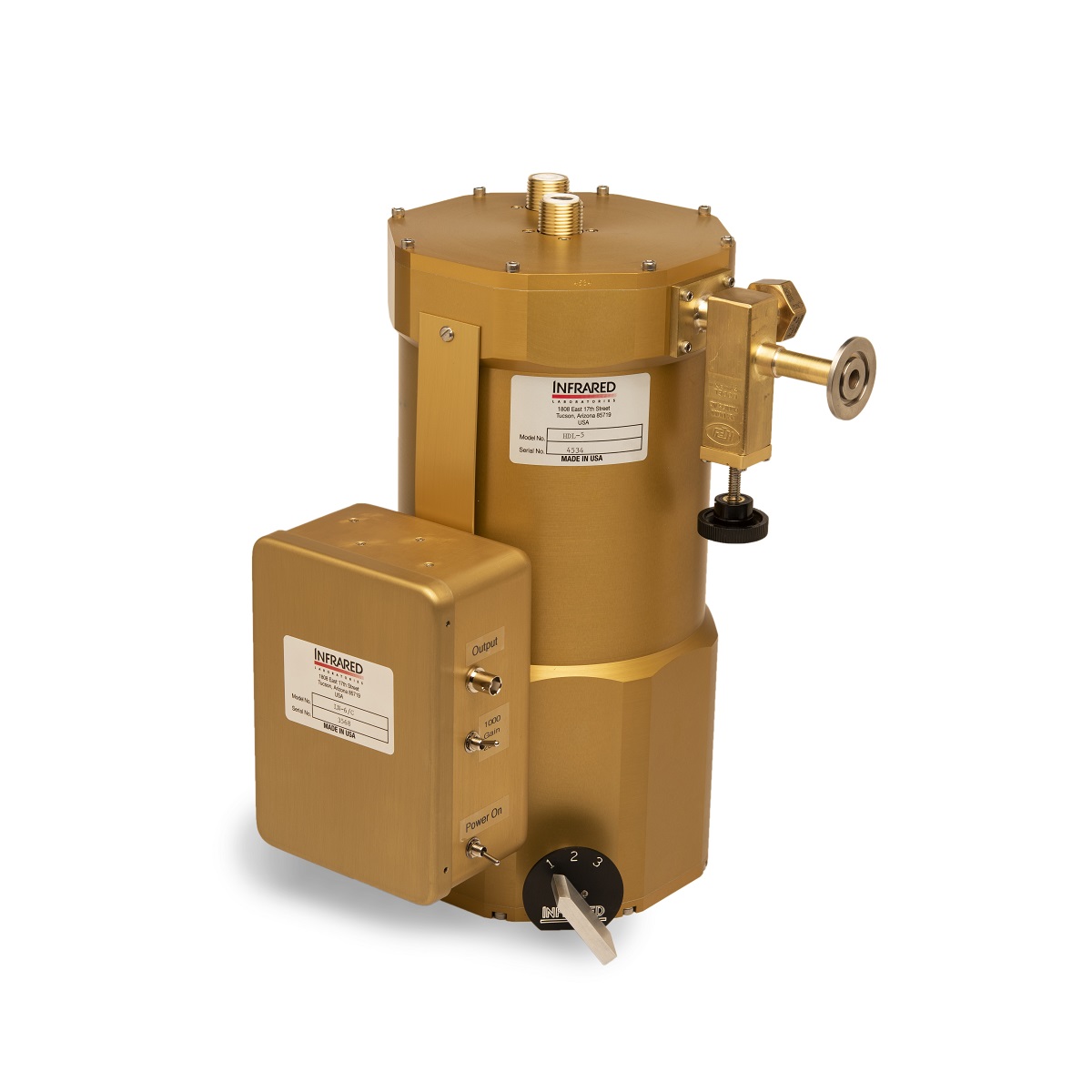
Cryogen Dewars Are Used in Many Fields
Chemistry and physics research labs around the world need cryogen dewars to conduct work at extremely low temperatures. From astronomy to healthcare to the food industry, more and more disciplines are relying on cryogens. The semiconductor industry relies heavily on cryogenic cooling to remove heat from manufacturing processes and Quantum computing requires cooling to millikelvin range.
Safe Usage of Liquid Nitrogen Dewars
When filling a dewar with liquid nitrogen or other cryogenic liquid, always wear protective gear. A lab coat or long apron is important. Extreme caution is necessary; coming into contact with liquid cryogens can cause frostbite.
Ice can build up on the connections exposed to atmosphere, so cryogenic gloves are a must. A face shield and safety glasses will protect your eyes from splashing; sturdy, closed-toed shoes are recommended for the same reason. Cuffed pants are a bad idea as the cuffs can catch the cryogen and hold it close to your skin.
Storing liquid nitrogen tanks in a well-ventilated area is crucial. In small spaces or spaces without proper ventilation, nitrogen can displace oxygen, causing an asphyxiation risk. Oxygen depletion alarms should be considered if in doubt.
Vents keep dangerous pressure from building up. Nitrogen expands quickly when shifting from liquid to gas. Rapid temperature changes or vent plugs can cause an explosion if safety release devices on tanks are altered, removed, or improperly used.
Customizing Dewars to Meet Your Specifications
The team at IRLabs will work with you to solve your unique cooling needs.